#4: Poll position
Jeanne Dielman for the win

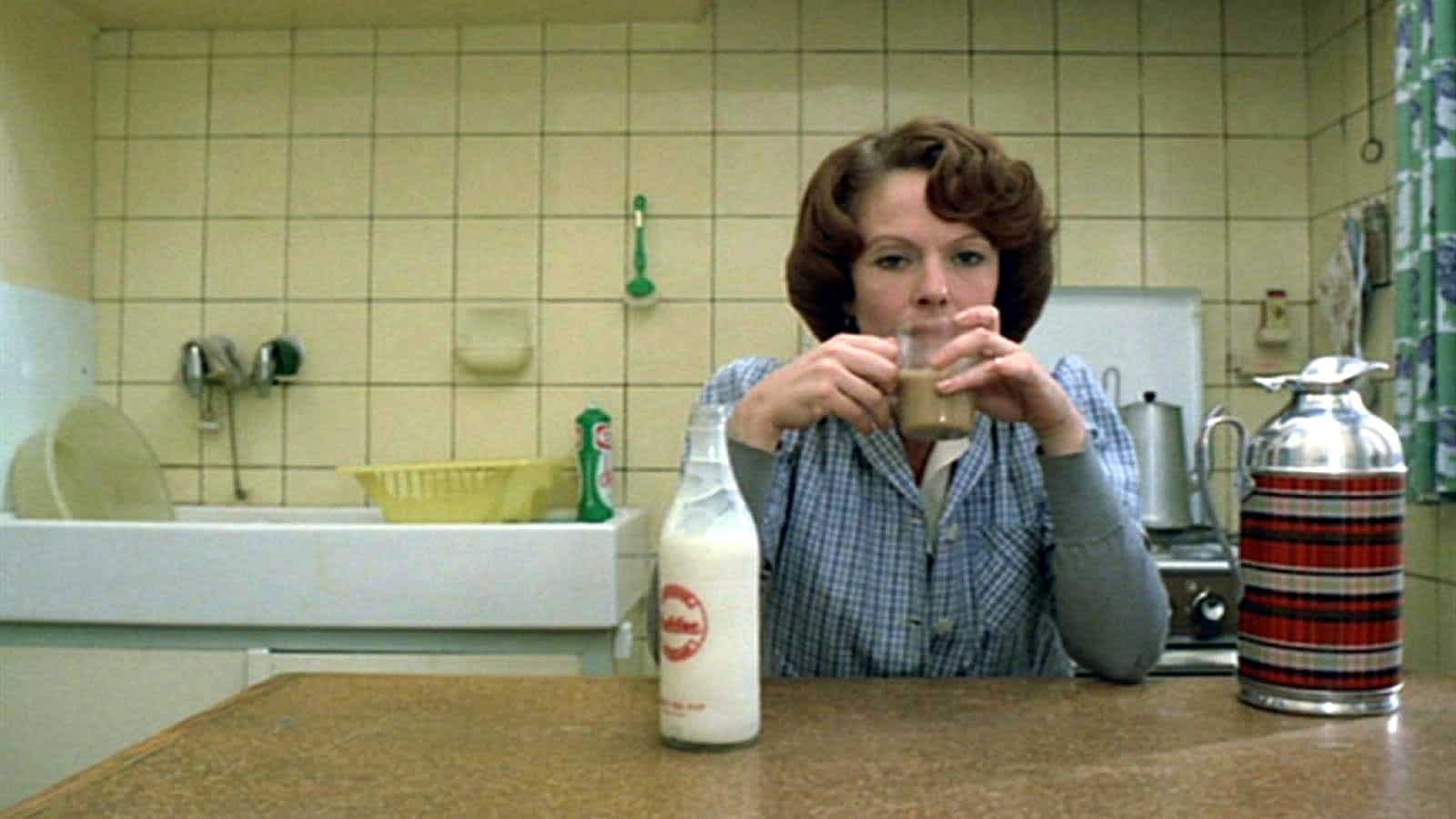
I hate the percentages and certifications that amount to the Rotten Tomatoes project (Yes! No! Rotten! FRESH! - go away), but have time for the dec-annual Sight and Sound poll. Go figure.
Conducted once every then years, Sight and Sound gives committed film people, critics, programmers, curators and makers, the opportunity to list their ten favourite films. This year’s poll, which amounts to the highest ranked 100, was released on Thursday night, after a far larger number of people were invited to contribute to the rankings than in previous years (1600, almost double to the 2012 selectorate).
Sight and Sound has a gravitas that is difficult to imagine being generated if it were to start from scratch in today’s critical landscape. I grew up knowing that something called Citizen Kane, a black and white movie, was considered the greatest film of all time but had no idea that wisdom came from.
I am not well watched. There is only one film in this most recent top twenty that I’ve actually seen, but it just so happens to be the one that came out number one: Chantal Akerman’s Jeanne Dielman, 23 quai du Commerce, 1080 Bruxelles.
Akerman’s toppling of the likes of Orson Welles and Alfred Hitchcock off the top spot is significant. As some have noted, Jeanne Dielman is not the most widely distributed film – although I watched in 2018 at home one Saturday night courtesy of a Mubi subscription. Why did I watch it? Its licence on the platform was expiring at midnight (urgency is a great motivator) and that year, I’d met Daniella Shreir of Another Gaze who had good things to say about it. Shreir has since translated Akerman’s writing, namely the book My Mother Laughs.
Streaming and cheap tickets, as per the ICA membership deal I mentioned the other day, has opened up filmgoing for me, as someone who didn’t grow up in a cinema family. Instead, I found escape through books. The TV was always on in my house but we watched programmes and the news mainly. There were some exceptions, of course: the first time I watched Taxi Driver was because it was one Film4 late on Christmas Day one year. A delightfully deranged choice and I’m very grateful to the people who picked and signed that off.
I’m here to say that people genuinely do like Jeanne Dielman and if you’re reading this newsletter, you probably should give it a go if you’re curious. The film didn’t have my full attention that night to begin with: I had a nice phone call with one my oldest friends while Jeanne prepped vegetables in her unfussy apartment kitchen; I’m pretty sure I was texting others too. I think that that’s ok: I was going about my ordinary business as she was going about hers. But something shifted as the film reached its conclusion. Looking at the top 100, a lot of the films are described as thrillers. One of the great delights of cinema as an artform is the possibility of being gripped for a relatively short period of time only to be released out into the real world a few hours later. It’s the weird paradox of a film feeling like a bigger commitment to click on while scrolling Netflix, despite most narrative tv series being a much larger cumulative time drain than a feature. The tautness of the ‘thrill’ is one of the reasons Parasite was one of the most popular Best Picture wins with audiences in recent years. Humour, pace, confinement and the obsessive pursuit of a person with higher status than your own who remains in tantalisingly close reach: these are things we like to watch.
And what of the newer additions to the rankings? Four flicks from the past decade made it into this year’s list: Get Out, Parasite, Moonlight and A Portrait of the Lady on Fire in ascending order. I’ll admit it: I snorted in disbelief that Portrait was placed as highly at #30. Sciamma’s historical romance is very ‘a French film’ in the stereotypical, often mocking way, British and American audiences understand them: a literal slow burn. Personally, I found it rather undistinctive, so was surprised so many of those polled were sufficiently moved to list it. Moonlight is a beautifully shot coming of age narrative, and features scenes that, regretfully, mark cinematic milestones. One Black man cooking for another had not been depicted on screen in a mainstream release before. There’s much to like about Get Out, and Jordan Peele strikes me as someone curious about filmmaking and wary of resting on his laurels, but, to be honest, it is not a pretty picture. As I was looking at the coverage of Sight and Sound 2022, I noticed that multiple, different stills were used to represent the other three post-2010 picks by various outlets. Meanwhile, each time, Get Out was illustrated just a close up of Daniel Kaluuya’s stricken face, which I do think is telling.
I’m a bit disappointed some more recent selections didn’t make it, because it would have provided an opportunity to showcase work that didn’t necessarily get the widest of releases that also represent developments in cinematic storytelling that feel interesting, vivid and reflective of the world today. Toni Erdmann, which did get a fair amount of critical attention at the time, is as droll as you’d like but is also is in dialogue between Old Europe and its disdain and economic interdependence with the more recent EU members further east. This tension is squelchingly rendered with shots of new plush developments contrasted against the places Bucharest’s actual residents live and rest.
I have a pre-existing interest in films for adults made about children, having done a programming course the same year I watched Dielman which involved us putting on a season of films of the same theme – in honour of The Florida Project, so my next suggestion is absolutely my bias speaking here. However, I Am Not A Witch, Rungano Nyoni’s debut, would have made for an interesting conclusion. Not least because, bar the African American works of Barry Jenkins, Julie Dash and Spike Lee, there isn’t much in the way of diasporic film in the published 100.
The curation of lists like this, in terms of contributing voices, will always be imperfect, but it’s ok for there to be some more obscure picks as it will result in the opening up routes for more people to see them. Akerman’s film is now available on iPlayer. Rather than being threatened by my relatively poor knowledge and familiarity with cinema classics it’s nice to be reminded there’s still so much of the world for me to experience. I’m looking forward to being bored, enthralled and annoyed by a decent chunk in that list.